Care Legacies
Intersectional Logistics, Femme Care Labor,
“Women’s Work,” “Behind-the-Scenes Genius”
No matter what you call it, our movements for justice and liberation have always been shaped by the care work that happens on the margins, in the periphery, and in the background. And no matter how far into the background or the shadows this labor has been pushed, as movements and as a people, we have come to learn the depths of how this work has supported both front-facing leadership, and the whole.
Often without acknowledgement, resources, or dignified material conditions, folks working in the background have met the needs of the moment and imagined more whole, freer worlds.
From those who cooked for entire communities, to those who took care of kiddos and elders so that people could work, protest, and organize,
to farmers who put up their land up to pay out bail for direct action organizers,
to executive secretaries and administrative anchors,
to networks of single mothers, without state support, who made sure their families were safe, fed, and educated,
to those who planned gatherings, marches, and organized around marginalized identities even within our justice movements — those in the background have always made tremendous impact.
And how much more could have been won if movements did more to value and learn from that work? From background leadership? From their insights and strategies? From their genius and exhaustion?
What would it take for us to be ready to embody those lessons? To choose, to lead, to imagine differently? To believe in and equip different kinds of leaders for the longevity and success of our movements?
Care Logistics frameworks asks us to turn our witness, our support, our resources, and our readiness to follow towards the background, so that more may become possible in this long journey ahead.
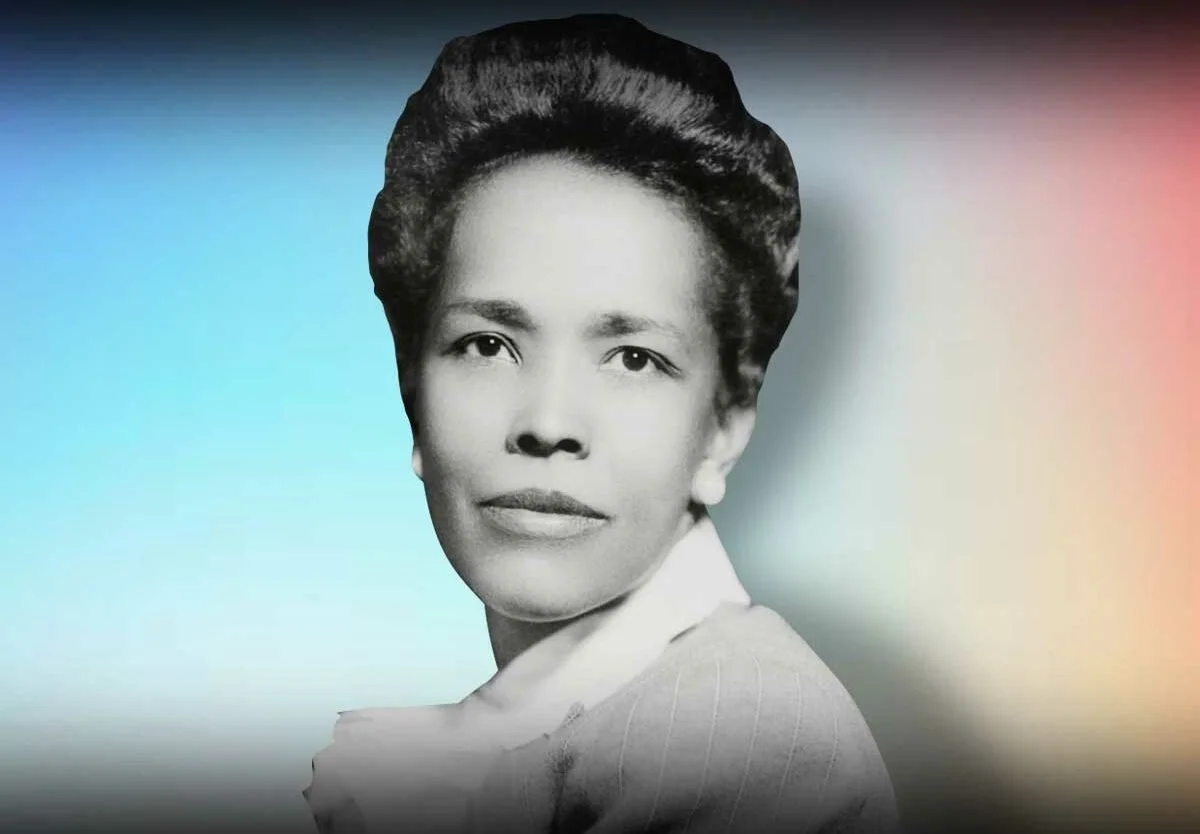
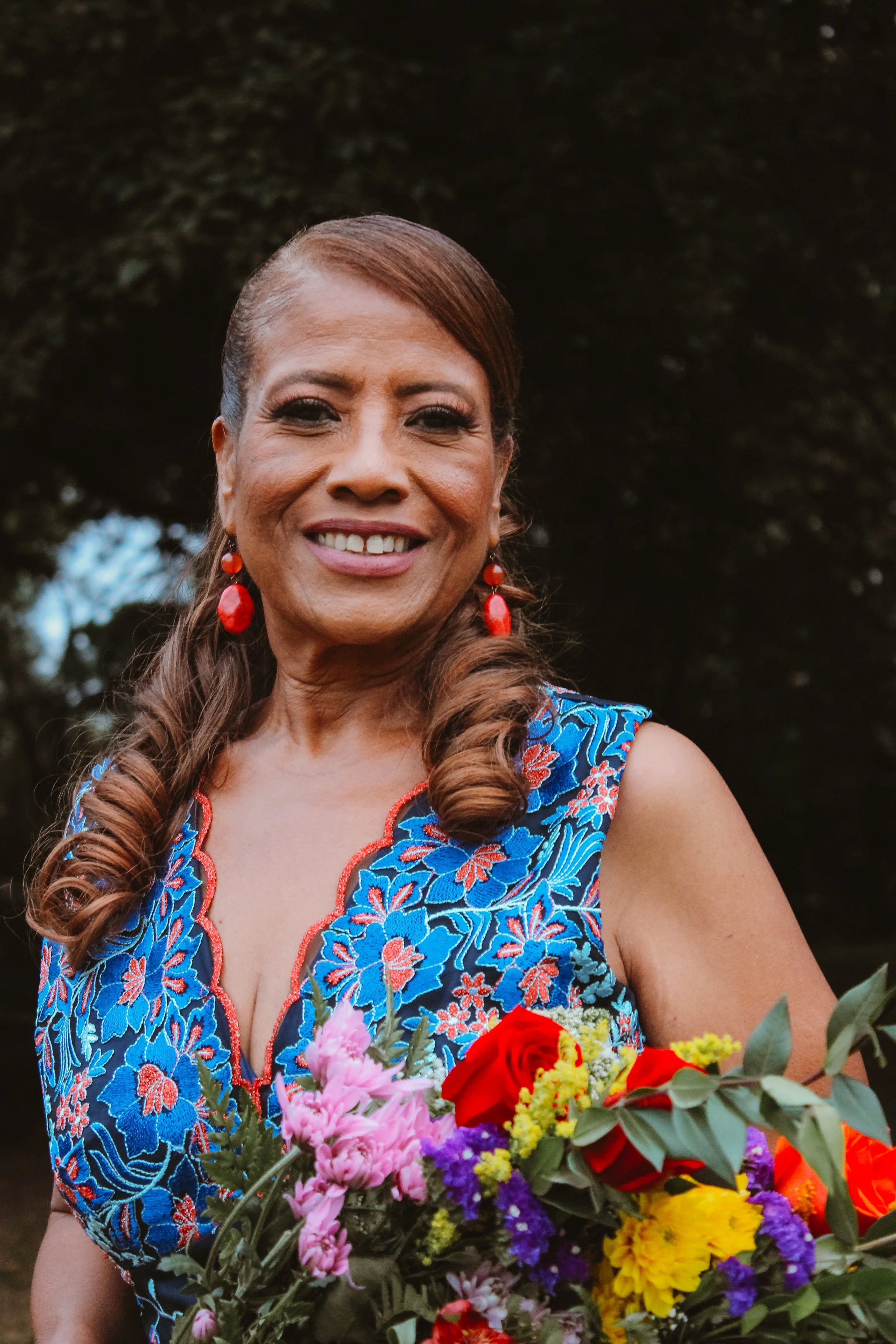
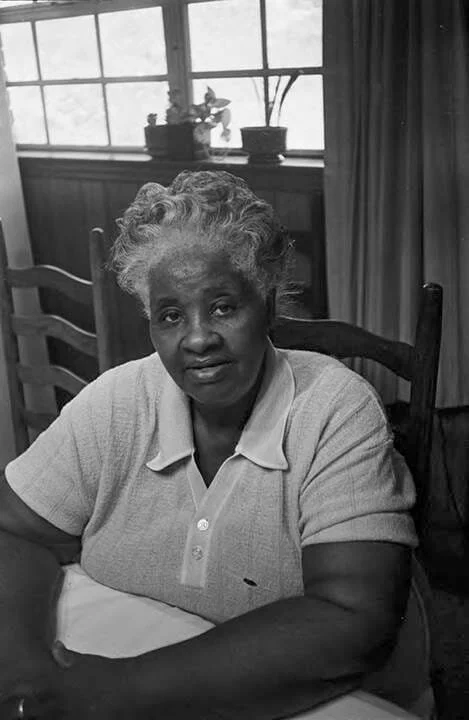
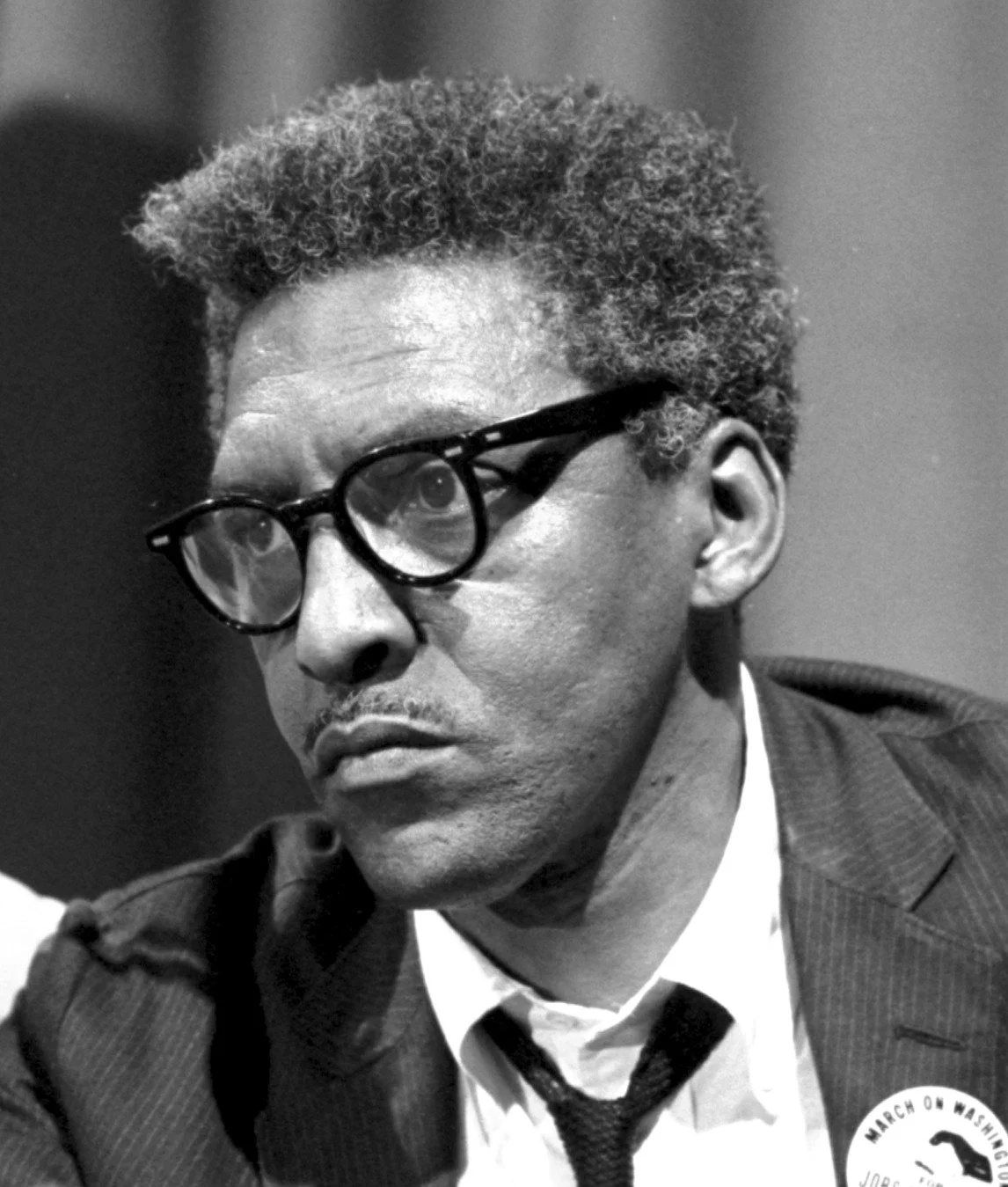



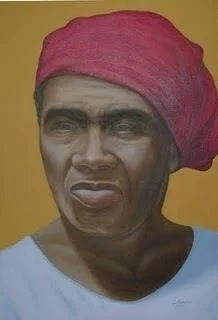
Mama Tingo: The Black Dominicana Revolutionary You Should Know
Georgia Gilmore: The Fearless Cook Who Fed And Funded The Civil Rights Movement
Ella Baker and the Black Freedom Movement: A Radical Democratic Vision by Barbara Ransby
How Disabled Mutual Aid Is Different Than Abled Mutual Aid by Leah Lakshmi Piepzna-Samarasinha
Undrowned Black Feminist Lessons from Marine Mammals by Alexis Pauline Gumbs
Black Liturgies: Prayers, Poems, and Meditations for Staying Human by Cole Arthur Riley
The Nap Ministry's Rest Deck: 50 Practices to Resist Grind Culture by Tricia Hersey
Move to End Violence’s Racial Equity & Liberation Virtual Learning Series
Caring for the Movement: Black Feminist Care Logistics by Latishia James-Portis, Sequoia Ayala, ramelcy uribe (Available in English & Spanish)
Language Justice Reflections Workbook by Monica Dennis, ramelcy uribe (Available in English & Spanish)
Digital Apothecary for Online Gatherings cocreated by ramelcy uribe & Jenn Thompson
Resources That Support How We Practice Care